
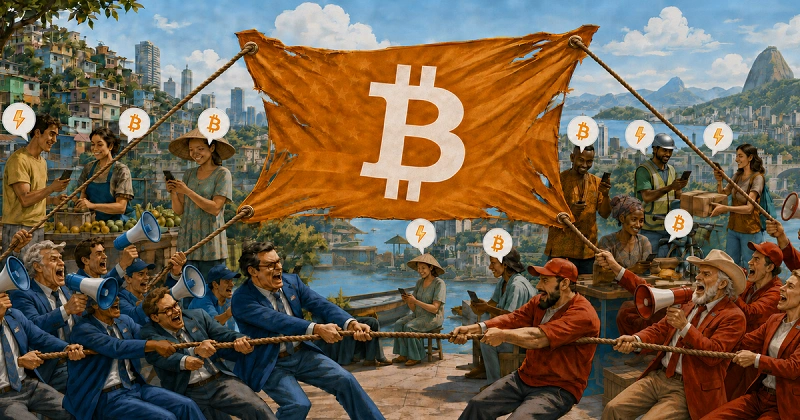
In the article “There’s Too Much Populism in Bitcoin: Why Ideology Is Slowing Adoption,” Harvestr21 examines a side of Bitcoin that receives less attention than its price, technology or regulation: its increasingly politicized culture.
Focusing primarily on North America, the author argues that ideological extremism and political infighting risk alienating potential users and slowing adoption. This is not a criticism of Bitcoin itself, but of how parts of the community present it to the wider public.
Harvestr21 regards Bitcoin as a politically neutral monetary network with considerable practical value. The criticism is directed at the increasingly politicized story being told around it, primarily within the American cultural sphere.
Bitcoin was a Tool, NOT a Political identity
Harvestr21 begins by looking back at Bitcoin’s history.
In its early years, Bitcoin was adopted primarily because it was useful. Silk Road users needed a censorship-resistant digital payment method, while people facing currency depreciation or financial restrictions found value in an alternative monetary network. Bitcoin solved practical problems rather than representing a political identity.
According to the author, this began to change after the 2017 boom and accelerated during the global lockdown years. Speculation and social media increasingly turned investing into entertainment – and Bitcoin into an identity marker, particularly in the United States.
Social media changed how the Bitcoin community argues
Harvestr21 argues that social media, particularly X, has made parts of the American Bitcoin debate increasingly tribal. Discussions become contests to be won, slogans replace serious arguments, and opinions are judged by who expressed them rather than on their merits.
This political framing is created by people, not by Bitcoin itself. The protocol remains indifferent to nationality, religion, social class or political affiliation – and outside the United States, most users have little interest in importing America’s partisan culture wars into Bitcoin.
Is Bitcoin tied to right-wing politics?
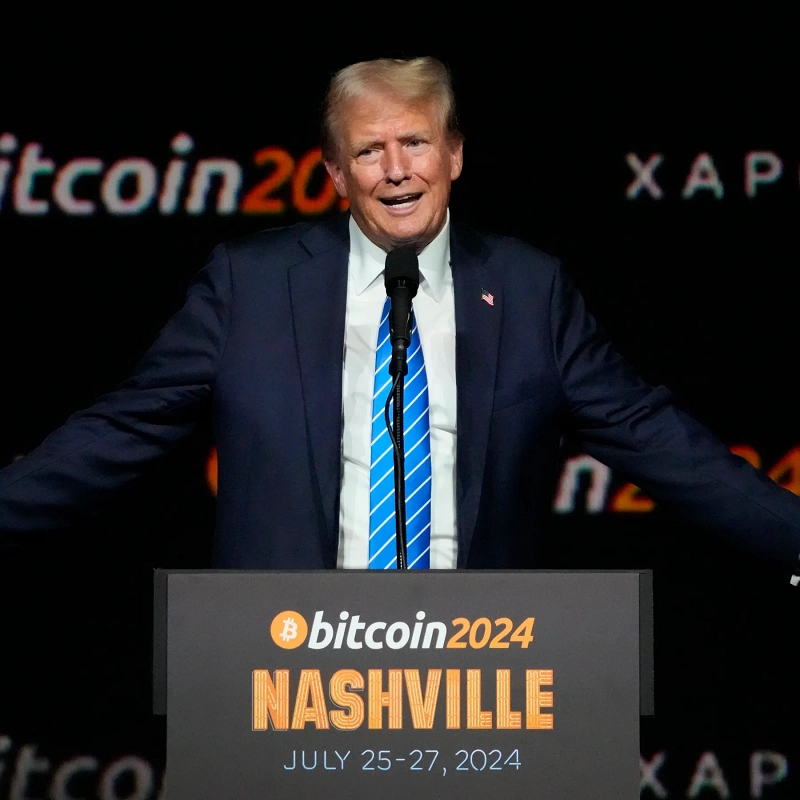
Harvestr21 devotes considerable attention to Bitcoin’s place in American politics.
The author observes that much of Bitcoin’s most visible political support in the United States has recently come from Republican politicians. This can create the impression among the broader American public that Bitcoin itself belongs to the political right – even though this association is far less relevant outside the United States.

Harvestr21 argues that some of this political support is opportunistic: politicians may embrace Bitcoin to attract voters or follow a popular trend rather than from a deep commitment to its principles.
Associating Bitcoin with one side of the American political divide can make people on the other side feel that it is “not for them,” even though Bitcoin itself has no political affiliation.
Populism makes Bitcoin “smaller”
Populist rhetoric relies on an “us versus them” narrative. While this may mobilize a political base, it risks narrowing the appeal of a monetary network intended for everyone.
This concern is most relevant in the United States. In countries such as Argentina, Nigeria and Vietnam, people generally turn to Bitcoin for practical reasons: protecting savings from currency depreciation, moving money across borders or accessing a more open financial system. America’s partisan labels carry little significance in these contexts.
Framing Bitcoin as the symbol of a particular American political movement may therefore limit its appeal within the United States – but it should not be mistaken for a defining feature of the global Bitcoin community.
The OP_RETURN argument: When social media makes things too big
Harvestr21 points to the controversy surrounding Bitcoin Core 30’s removal of the default OP_RETURN relay limits, and the opposing approach taken by Bitcoin Knots. While the underlying technical question was legitimate, social media frequently overshadowed it with accusations of betrayal and exaggerated claims that Bitcoin itself was under threat.
Education is the key to Bitcoin adoption
The article ultimately argues that the Bitcoin community spends too much time debating political identity and too little time educating users.
Rather than importing partisan politics into Bitcoin, the community should help people understand wallets, private-key security, Proof of Work and Bitcoin’s practical capabilities and limitations. Sustainable adoption depends on knowledge – not slogans.
Conclusion
Bitcoin itself is politically neutral: the network does not care who uses it or what they believe. Anyone who follows its rules can participate.
Yet social media tends to amplify the loudest and most divisive voices, potentially making Bitcoin appear tied to a particular political movement.
Harvestr21’s central argument is therefore worth considering in the American context: Bitcoin may struggle to achieve broader adoption in the United States if people increasingly perceive it as the symbol of a political movement rather than an open monetary network. This should not, however, be mistaken for a defining feature of the global Bitcoin community. Are Americans spending more time arguing about who belongs in Bitcoin than helping people understand and use it?