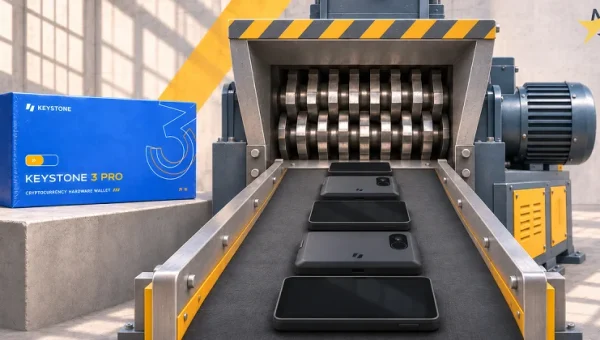
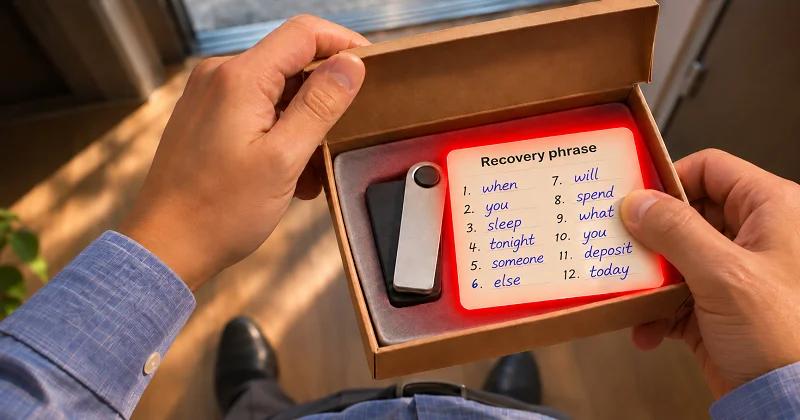
In a pre-seeded wallet scam, the seller gives you a recovery phrase they already know. They may set up the device before shipping it, or slip a filled-in recovery card into the box for you to use during setup. Once you send funds to that wallet, the seller can move them.
The dangerous part is that the device may look brand new, with its original packaging and no clear signs of tampering.

What is a recovery phrase?
A recovery phrase, also called a seed phrase, is a list of words that lets you restore your wallet on a compatible device. The order of the words matters. If the seller kept a copy, they can restore the same wallet on their own device and spend your funds while your hardware wallet is still in your hands.
When you set up a new wallet, you can let the device generate a fresh recovery phrase or import one you generated securely offline.
Write the words down in order on paper or record them on a steel backup plate. Keep your backup somewhere safe.
In either case, only you should know the words. Never use a recovery phrase that came in the box.
How does a pre-seeded recovery phrase attack work?
The attacker’s goal is to enter the hardware wallet supply chain and gain control of the wallet before it reaches the buyer.
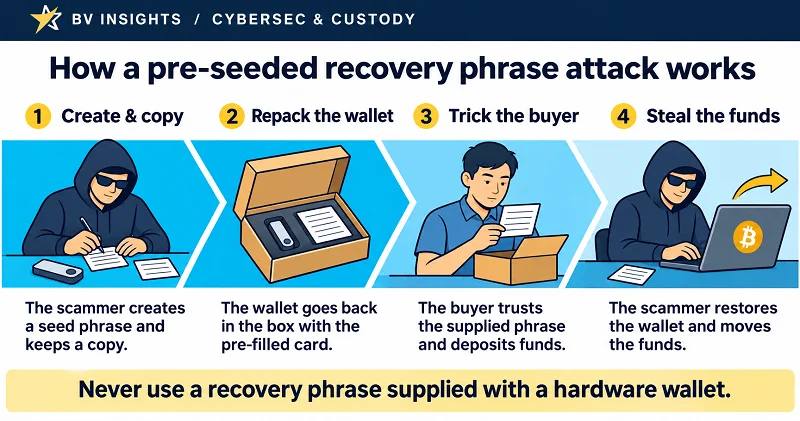
The attack usually happens in four steps:
1. Creating a recovery phrase in advance
The attacker buys a hardware wallet and sets it up before reselling it. During setup, they write down the recovery phrase the device generates and keep a copy.
2. Repacking the device
After setting up the wallet, the attacker writes the recovery phrase on the card that comes with the device.
They then repack the product to make it look new and unused.
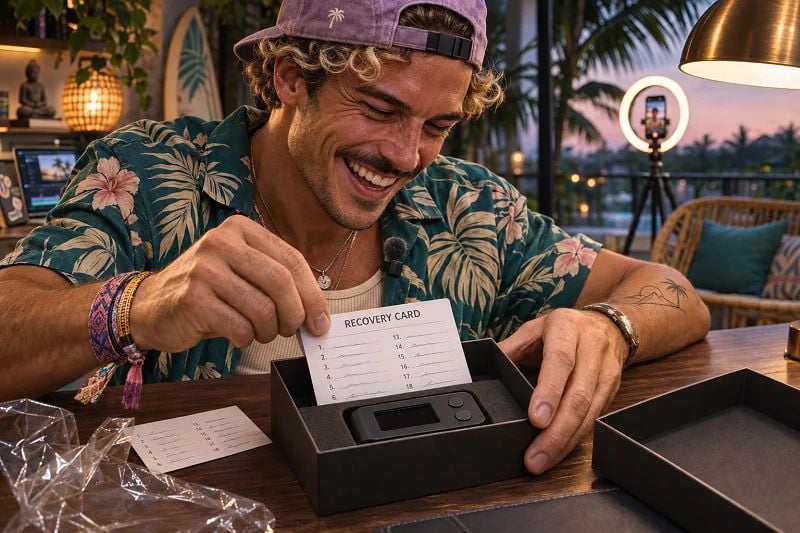
In some cases, attackers may use professional packaging tools or shrink-wrap machines to make the device look like it has never been opened.
3. Tricking the buyer
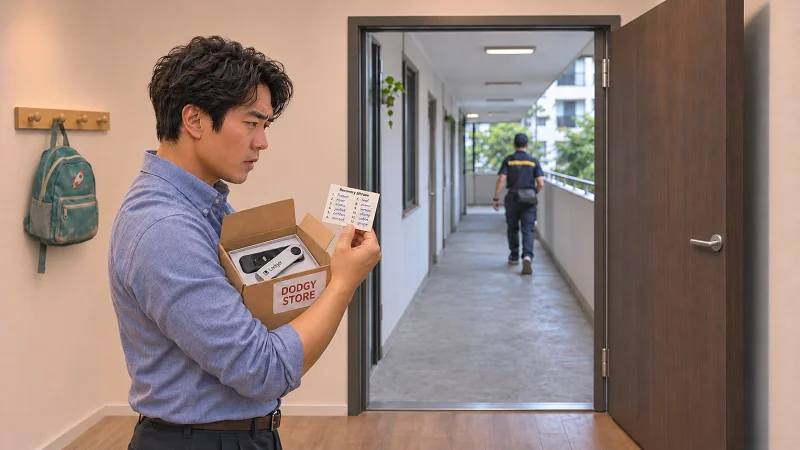
The buyer opens the box and finds the wallet already set up, with the recovery words written on the card. They assume the seller filled it in for them as part of setup. They put the card somewhere safe and send funds to the wallet.
4. Stealing the funds
Once the wallet contains funds, the attacker uses the saved recovery phrase to restore the same wallet on another device.

Since the same recovery phrase can restore the related private keys and wallet accounts, the attacker can access the victim’s funds and transfer them to another address without having the original hardware wallet.
As a result, the victim may still have the hardware wallet in their hands, but they are not the only person who can control the funds.
How to identify a pre-seeded hardware wallet
Look out for these warning signs when receiving and setting up a new hardware wallet.
- A pre-filled recovery card. The device comes with a card that already has recovery words written on it.
- The device has already been set up. When you first turn it on, the wallet asks you to enter a PIN you haven’t set.
- The seller provides a PIN. The seller gives you a PIN to unlock the device.
- Signs of repackaging. The box, security seals, or accessories show signs of having been opened or replaced.
- An untrusted seller. The device comes from an unknown seller, an unverified store, or a source with no clear product information.
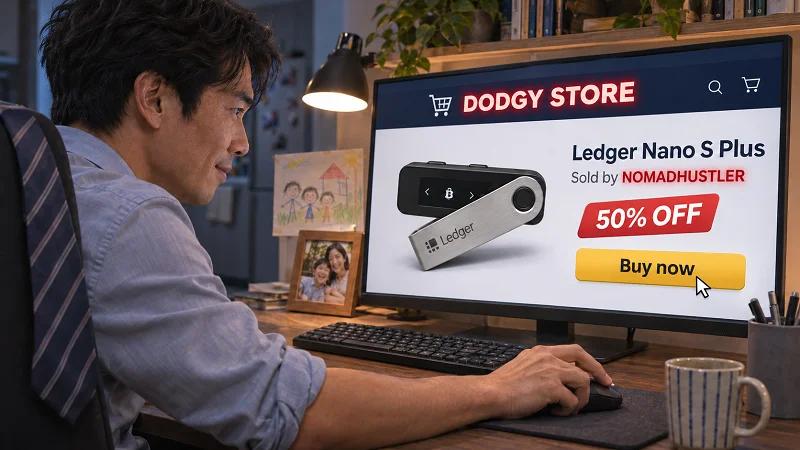
Suspicious packaging or an unfamiliar seller alone doesn’t prove that a wallet was pre-seeded. If the recovery words come with the device or someone else has already set the PIN, stop setup and don’t send funds to that wallet.
How to avoid a pre-seeded recovery phrase attack
To protect your cryptocurrency, follow these basic security rules:
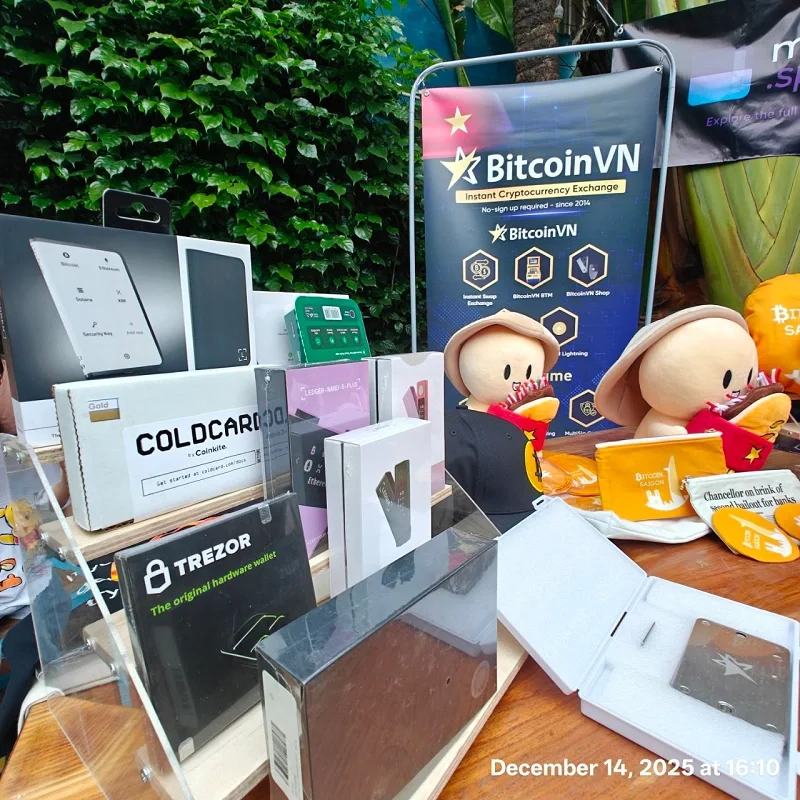
1. Buy hardware wallets from trusted sellers
Buy directly from the manufacturer’s official website or an authorized reseller.
Avoid buying second-hand hardware wallets or devices from sellers with unknown backgrounds. Even a genuine device can become unsafe if someone has changed its setup before it reaches you.
2. Set up the wallet yourself
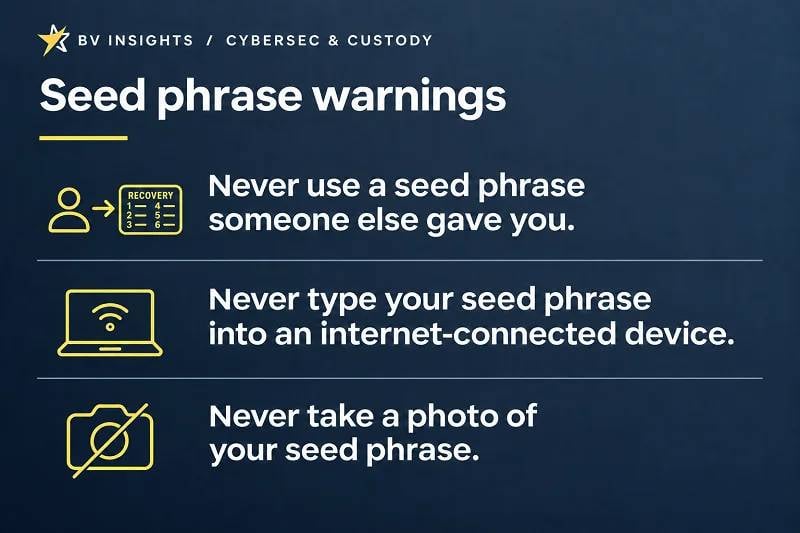
When you receive a new device, follow the manufacturer’s official setup guide. Set your own PIN. If you’re creating a new wallet, let the device generate the recovery phrase. Never use a recovery phrase or PIN provided by the seller.
3. Only use a recovery phrase you generated yourself
You can generate a new recovery phrase on your hardware wallet during setup or import a compatible phrase you generated securely offline. Only you should know the words. Never use a recovery phrase supplied by a seller or anyone else.
Write down the words in the correct order and keep the backup in a safe place. Never take a photo or screenshot of the phrase, type it into an internet-connected device, or send it to anyone.
4. Never share your recovery phrase
Neither the seller nor customer support needs your recovery words. If someone asks you to read them out or enter them into a website or app to “verify” your wallet, it’s a scam.
5. If anything looks wrong, don’t send funds
If the recovery card is already filled in, the device asks for a PIN you never set, or you see signs of tampering, stop setup. Don’t send funds to that wallet. Contact the manufacturer’s support team through its official website.
A pre-seeded wallet scam emptied your wallet. What now?
Once the blockchain network confirms a transfer, the wallet manufacturer can’t reverse it. Time is of the essence, both to report the theft and to preserve the evidence.
1. Contact an incident response team
We recommend contacting zeroShadow’s incident response team or reporting the theft to SEAL 911 as soon as possible. Include the transaction ID, the network, the amount stolen and when it happened.
These teams handle crypto thefts regularly and have contacts across the industry. They can help trace where the funds went and alert an exchange if the funds reach it. The sooner you report the theft, the more time responders may have to act. Whether recovery is possible depends in part on where the attacker has moved the funds.
2. Preserve the evidence and report the theft
Save the seller’s listing while it’s still online. Keep a copy of the seller profile, your messages and your order receipt. Keep the device, the pre-filled recovery card and the parcel with its shipping label. Together with the transaction ID, these details give investigators two leads to follow: where the funds went and who shipped the device.
In coordination with your chosen incident response team, report the theft to your local police or cybercrime unit. Include the transaction ID and purchase details so investigators can look into both where the funds went and who sent the device.
We generally recommend contacting the specialist team first. Local police departments vary in the expertise and staff they can dedicate to cryptocurrency theft. A team that handles these cases regularly can usually advise you on the best course of action, help identify the right unit and organize the evidence so officers can act on it quickly.
Coordinating the report this way can save investigators time and improve your chances of recovery. Whether recovery is possible still depends in part on who was behind the attack and where they moved the funds.
3. Update saved addresses and notify anyone who pays you
Stop future payments to the old wallet. Remove its addresses from your saved withdrawal lists and cancel any scheduled transfers to it. The seller still has the recovery words.
Contact anyone you’ve given one of those addresses to, even if they only paid you once. Ask them to delete the old address and hold any upcoming payment. Before they send funds again, give them a receiving address from a new wallet you set up with a fresh recovery phrase.
4. Know how to spot a recovery scam
After the theft, you may get a call from someone claiming to be an investigator, an exchange employee or a wallet support agent. They may quote your transaction ID or tell you exactly how much you lost. Those details can be publicly visible on the blockchain.
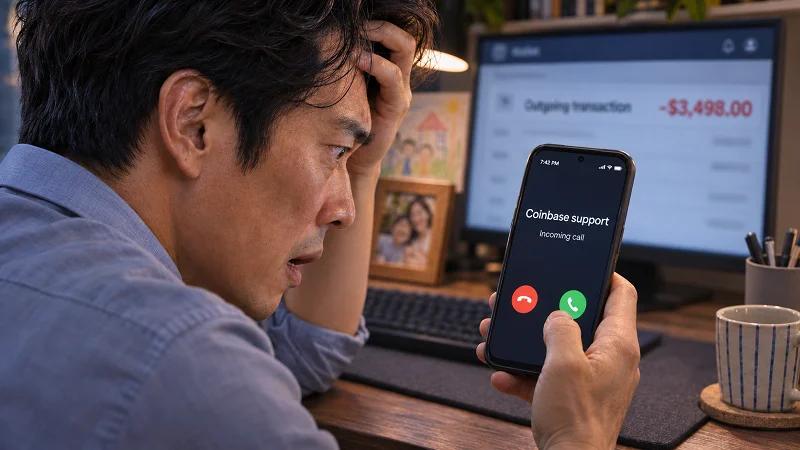
If the caller says they’ve found your funds and asks for an upfront fee to “release” them, hang up. Never share your recovery words. If they claim to be from the team handling your case, contact that team through the channel you already use to check whether the call was genuine.
Conclusion
A hardware wallet can arrive in its original packaging and work exactly as expected. The seller who filled in the recovery card kept a copy of the words. Now they’re waiting for your first deposit.
Buy from the manufacturer or an authorized reseller and set up the wallet yourself. You can generate a new recovery phrase on the device or import one you generated securely offline. In either case, only you should know the words.
If you open the box and find the recovery card already filled in, stop. Don’t send funds to that wallet.
A note on supporting SEAL
Earlier, we recommended SEAL 911 for anyone whose wallet has been drained. Its volunteers respond around the clock, free of charge.
The Security Alliance is raising funds through TheDAO Security Fund for three projects covering threat intelligence, audit transparency, and security frameworks. On November 23, BlockThreat editor Peter Kacherginsky reported that the three projects had raised just $206.25 toward their combined $370,000 goal.
If SEAL’s work has helped you or your team, consider backing one of the projects.