

























With increasing amounts of wealth migrating onto decentralized ledgers come massive gains in efficiency – but also new significant risks which require thoughtful mitigation.
Bitcoin protects savings from a vast mass of legacy-system attack vectors. But it also introduces new ones. The risks aren’t rooted in Bitcoin’s code, but in human behavior: lapses in attention, overconfidence, and operational sloppiness. Most of us are not yet trained or used to handle final settlement value transfers without a safety net.
Payments executed directly between sender and receiver – without additional intermediaries – introduce significant efficiencies. When value can move faster and with fewer constraints, economic activity accelerates, opening the door to meaningful gains in productivity and long-term wealth creation.
But that finality cuts both ways.
A single mistake can be irreversible.
Especially when you believe you are immune to these mistakes, you might be most susceptible to slipping up.
Overconfidence begets carelessness – and that’s exactly what many common cybersecurity threats rely on to succeed.
In this environment, there are no safety nets. When you are your own bank, the responsibility sits entirely with you.
Over the past years, billions of dollars have been lost through hacks, phishing, wallet drains, address clippers, and social engineering attacks. And that’s just what gets reported. The countless “small” losses – individuals losing their savings – rarely make headlines.
The time has come for the industry to offer better solutions if we want the ecosystem – while remaining self-custodial – to become viable for a broader user base.
This is where Branta – the brainchild of founder Keith Gardner – comes into play.
Branta: building the guardrails for Bitcoin.
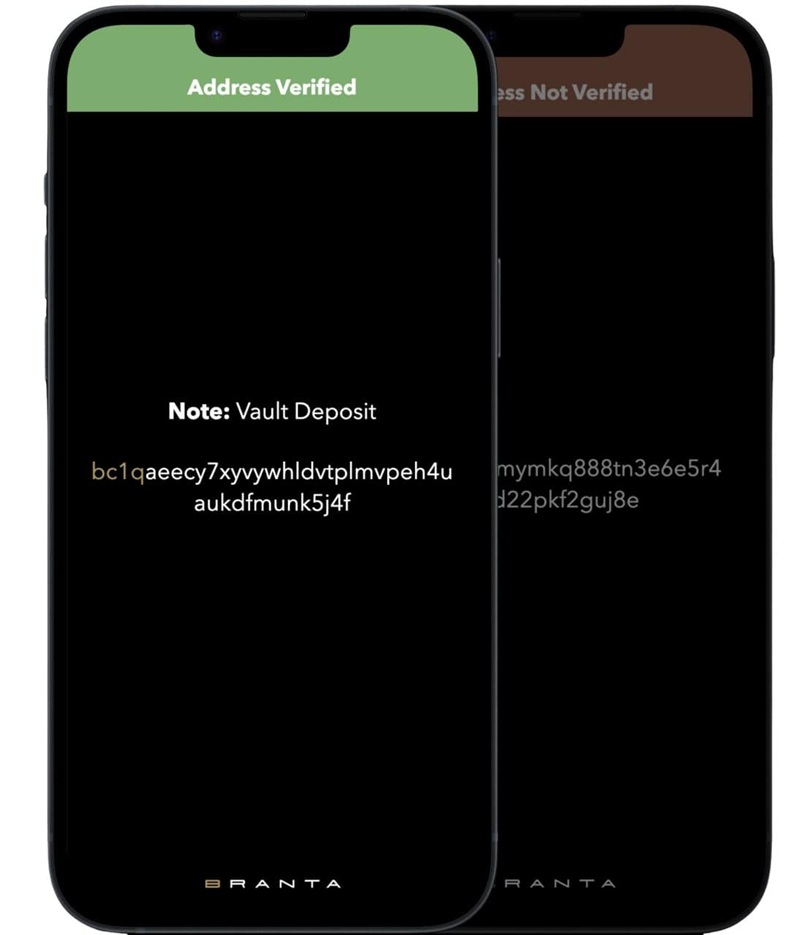
Why Branta?
Why did we at BitcoinVN decide to become an early backer of Branta?
Firstly, we understand the problem all too well.
Phishing, address-swap malware, and social engineering attacks have become one of the biggest sources of loss for Bitcoin and cryptocurrency users.
We see it regularly – both in support tickets and high-touch consulting cases.
We already try to mitigate this problem on several fronts:
- Education – publishing articles about evolving attack vectors (phishing, address swapping, clipper malware, etc.)
- Advisory work – through BitcoinVN Consulting, helping HNWI clients secure large holdings and tighten their operational security.
- Hardware wallets & security tools – we invest significant effort into supplying secure self-custody devices (Ledger, Trezor, Coldcard/Coinkite, Blockstream Jade, etc.) to users in Vietnam.
When used correctly, a hardware wallet eliminates 90%+ of fund-loss scenarios.
- Custody architecture for HNWI – setting up multi-vendor, multi-sig collaborative custody models for high-net-worth clients to remove single points of failure.
Despite all of these efforts, experience shows a harsh reality:
Most people only ask for help after they have already signed a malicious transaction or sent funds to the attacker.
And while losses are technically preventable with the right discipline and processes, the majority of users will not adopt strict Op- & CyberSec routines.
Overconfidence → carelessness → loss.
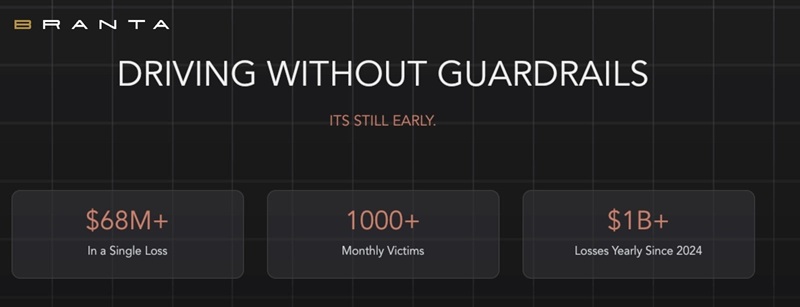
The billions lost every year make that painfully obvious.
Branta tackles this exact attack surface.
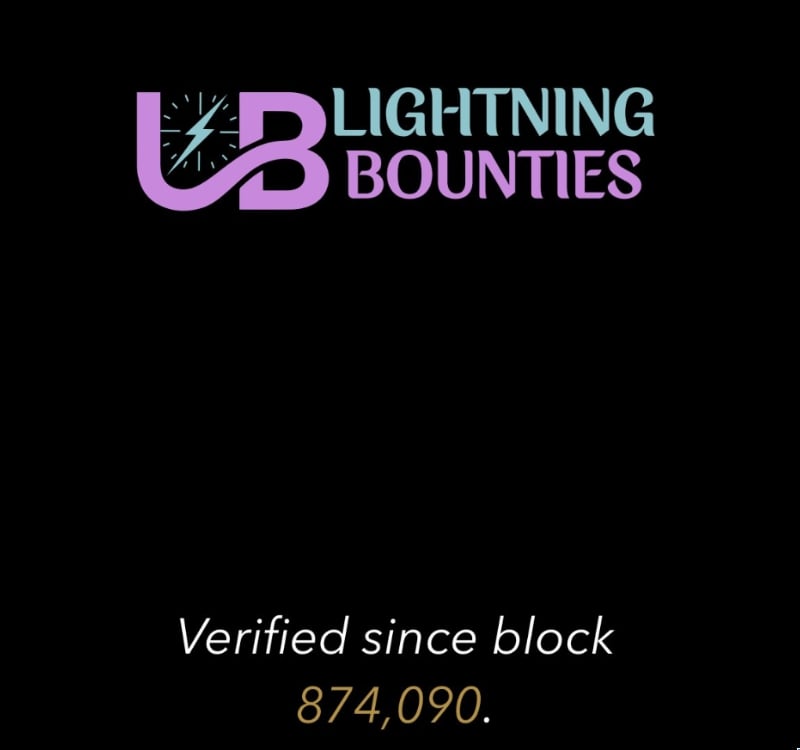
By “providing guardrails for Bitcoin,” Branta acts at the moment of execution – preventing users from accidentally sending funds to compromised or malicious addresses. If successful, the product could prevent hundreds of millions in losses annually.
That reason alone would merit support.
–
But there were two additional factors that validated our decision:
- The founder, Keith Gardner, came through a highly vetted business network.

A network where credibility, execution, and reputation preservation are non-negotiable requirements.
Only operators with a track record of executing – and standing by their word – remain part of it
The duty to excel and deliver with speed is baked into the core of the membership.
And because of that, it was an honour to be in a position to step in early and give Keith the lift he needed to execute on his mission: making Bitcoin payments safer for a broader audience.
- We’ve been in his position before.
When we invested into Neutron (formerly Neutronpay), we said something along those lines:
We once had the vision and conviction – but very few people understood the problem well enough to support us early on.
Most investors are ultimately herd animals – they wait until someone else has done the work, taken the risk, and put their name and reputation behind the founder.
We know how important it is when someone steps in early.
This time, we chose to be that someone.
And finally, the mission alignment.
Before committing, we spent a good amount of time talking with Keith – understanding where he’s coming from, what he’s trying to build, and how he sees the road ahead.
What stood out:
Keith intentionally chose to focus solely on Bitcoin.
This deliberate decision gives Branta the ability to go deep – pushing the possibilities that exist within Bitcoin to their fullest potential. Similar to how our friends at Mempool or Nunchuk built products that unlock the untapped capabilities Bitcoin already provides.
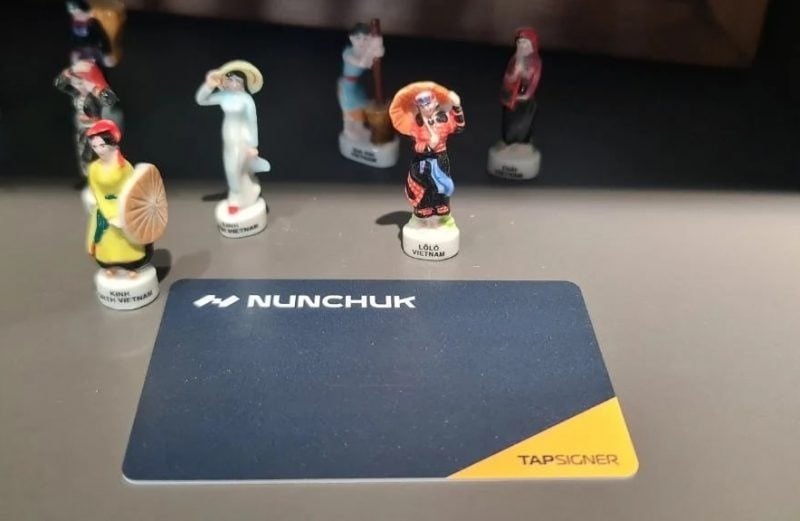
Building infrastructure that moves Bitcoin closer to becoming the most secure settlement layer for the world.
Last but not least: Branta is a product that leaves users better off – and their wealth intact.
While 90% of the “cryptosphere” is busy building negative-EV gambling products with little real-world value, Branta does the opposite.
It protects users, their families, and their bloodlines from potentially devastating losses which might negatively impact their whole genetic line.
How does Branta protect Bitcoin users?
“Bitcoin removes trust from money. Branta removes trust from payments.”
Branta operates as an overlay guardrail for Bitcoin and Lightning transactions.
The core idea: users should not have to rely solely on their own awareness – which is provably insufficient, given the constant stream of successful phishing, address-swap, and man-in-the-middle attacks every month.
Branta verifies the destination address and transaction context in real time, flags anomalies, and prevents funds from being sent to compromised or malicious endpoints.
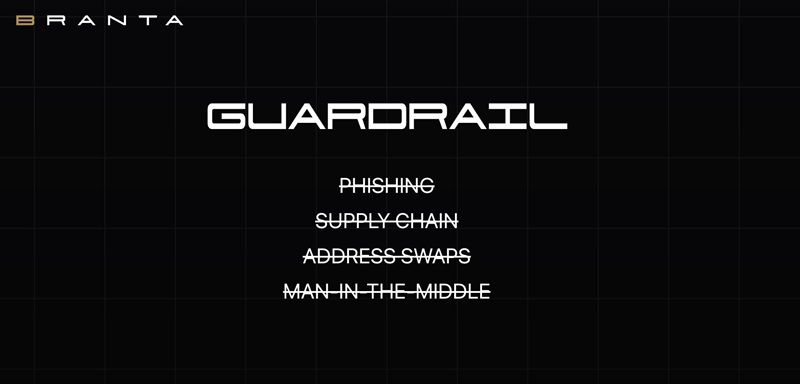
On the technical side, Branta is designed to be non-intrusive. It runs alongside existing wallets and merchant systems without requiring heavy integrations, key-sharing, or invasive analytics. Several commercial pilots and merchant integrations are already live, allowing businesses to add an additional verification layer that reduces fraud risk in irreversible Bitcoin payments.
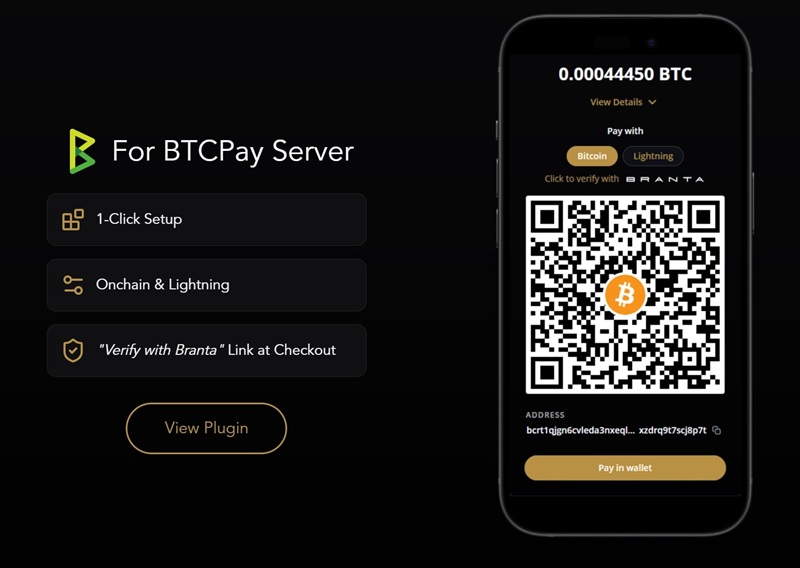
Branta also offers a dedicated BTCPay Server plugin, enabling checkout-level verification for self-custodial merchant setups.
Branta recently introduced Zero-Knowledge (ZK) address verification – meaning the system can verify that a transaction is going to the correct Bitcoin address without ever seeing the plaintext address itself.
Verification without visibility, security without surveillance.
In essence, Branta aims to make self-custody and peer-to-peer value transfers far safer – shifting the focus from preventing theft after-the-fact to stopping the wrong transaction before it leaves the wallet. By providing guardrails at the point of execution, they hope to reduce the risk burden on end users and make Bitcoin payments more viable for a wider audience.
If you run a Bitcoin product or service and want to add better user protection and fraud-prevention safeguards, you can reach out to the Branta team here.

—
Further reading:
Protect your crypto assets from address swap attacks