

























As part of our ongoing efforts to provide the Vietnamese market with access to more transparent and compliant stablecoin options, we are pleased to announce the listing of two new regulated Euro and Dollar stablecoins: USDR and EURR by StablR.
These additions follow our earlier support for USDQ and EURQ.
With increasing regulatory scrutiny particularly under the EU’s Markets in Crypto‑Assets (MiCA) regime, compliant stablecoin issuers are poised to proliferate, accelerating the fragmentation of the global stablecoin market.
Most importantly, USDR and EURR – issued by StablR – are backed by Tether, the issuer of the world’s largest stablecoin USDT, and deployed via its tokenization platform Hadron. Tether has strategically invested in StablR to support compliant stablecoin issuance and infrastructure in Europe.
MiCA regulation – introducing system risk for stablecoin issuers?
The investments in Quantoz and StablR reflect the broader positioning of the world’s dominant stablecoin issuer: Tether.
Tether – which is likely the most profitable company in the world on a per-headcount basis – has reshaped global finance and cross-border settlements. Today, it stands as one of the largest private market buyers of short-term U.S. Treasury bills.
Despite recurring public skepticism over the years, all available evidence suggests that Tether has pursued a highly prudent treasury strategy, keeping its reserves safe even during times of stress in the traditional financial and banking system.

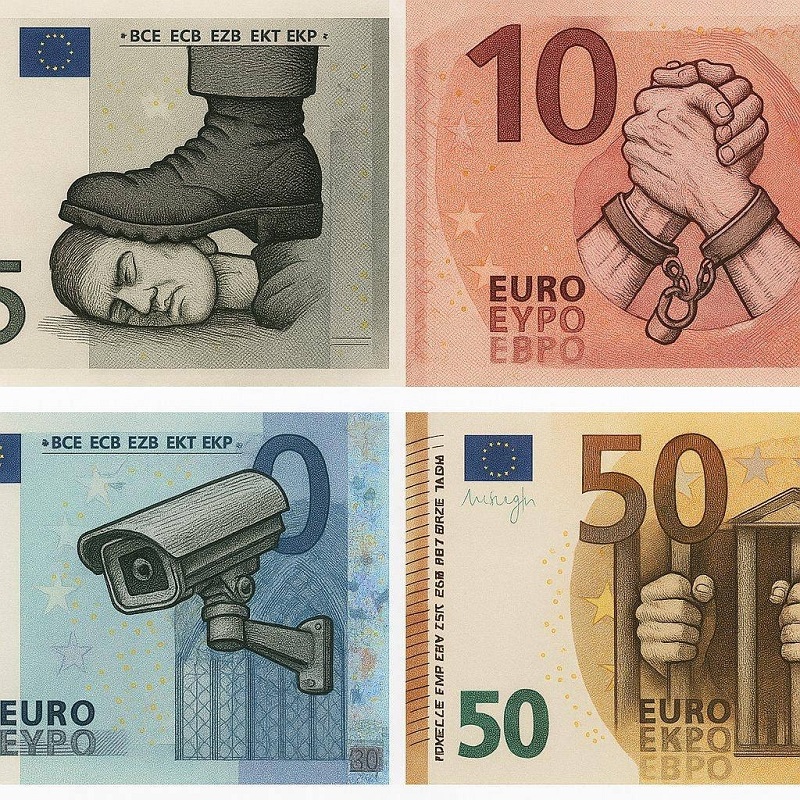
That said, the introduction of the new MiCA regulations in the European Union presents a new kind of risk: Stablecoin issuers operating in the EU are now required to hold a significant portion of their reserves within Eurozone banks – institutions that, ironically, do not have the strongest track record when it comes to protecting client funds during systemic crises.
In other words, compliance with MiCA may introduce new forms of systemic risk – both for stablecoin issuers and their users. In the event of a banking crisis, the risk of reserve impairment could rise significantly, potentially triggering depeg events across the stablecoin market.
We already got a glimpse of this dynamic during the 2023 U.S. regional banking crisis, when the collapse of Silicon Valley Bank (SVB) caused a temporary depeg of USDC, the world’s second-largest stablecoin. Its issuer, Circle, had kept a substantial portion of its reserves with SVB.
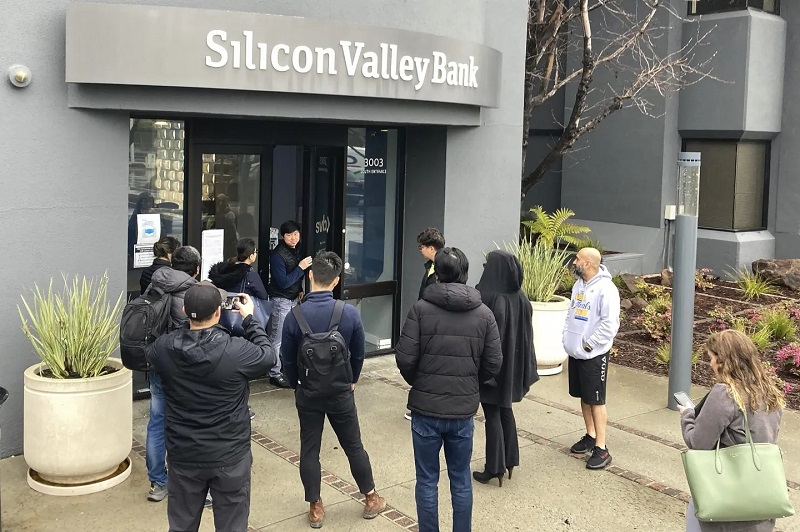
In that case, the situation normalized only due to a Federal Reserve-led intervention that restored depositor confidence. But in a future scenario where central banks choose to let institutions fail and implement bail-ins rather than bailouts, stablecoin issuers may suffer significant reserve losses – and users may face depegs without a backstop.
So now, users have a choice:
- Stablecoins regulated by EU bureaucracies, with reserves placed in the hands of thinly capitalized European banks, or
- Stablecoins issued by private actors like Tether Inc., operating outside the confines of these new regulations.
Across much of Asia, belief in the efficiency of private markets remains strong – a key factor in the region’s economic success. We therefore believe that USDT’s leading role will remain unchallenged in these markets for the foreseeable future.
That said, for users who find more comfort in the “safe and sound” hands of Lagarde and her peers in Brussels, MiCA-compliant options now exist. The market will decide.
Tether, for its part, has diversified its product suite – including backing locally regulated stablecoin issuers such as Quantoz and StablR – to ensure a presence in both worlds.
USDR / EURR – market penetration trends
As of late July 2025, the market penetration of USDR and EURR remains relatively modest, with approximately $6 million USDR and €12 million EURR in total issuance.
However, there are three powerful tailwinds that could significantly accelerate the rise of such regulated stablecoins in the months and years ahead:
1. Everything Moves On-Chain
The long-term trajectory of global finance is clear: settlement and trade clearing are moving onto public blockchains. As more financial infrastructure is rebuilt natively on-chain – from trading venues to remittance corridors and lending markets – the demand for reliable fiat-pegged assets that can operate seamlessly within this ecosystem continues to grow.
2. Fragmentation of the Market
The once-monolithic stablecoin landscape is beginning to splinter. With differing regulatory standards emerging across jurisdictions – particularly following frameworks like MiCA in the EU – there is no longer a single global playing field. Instead, we’re seeing the rise of regionally compliant stablecoins that meet the demands of specific legal and operational environments. This opens the door for new players to capture market share previously dominated by just a handful of offshore giants.
3. The Stablecoin Landgrab
We are entering a critical period – a landgrab phase – where stablecoin issuers are racing to secure local partnerships, liquidity rails, and compliance footholds in key markets. Early movers are staking out their turf in regions where demand for fiat-anchored digital assets is growing rapidly and those who integrate early with trusted local platforms are best positioned to become embedded infrastructure.
Tether may remain the global juggernaut – and rightly so, given its current dominance and scale – but the era of regional champions is beginning. In many markets, compliant local issuers will carve out meaningful share and become foundational layers in their domestic crypto economies.
The integration of USDR and EURR with BitcoinVN – Vietnam’s premier Bitcoin exchange and the country’s longest-standing cryptocurrency platform with more than a decade of operational history – is a strategic move in that direction.
It marks the beginning of building the legs, bridges, and connective tissue required to claim their edge in an increasingly multi-polar stablecoin landscape.

Why USDR & EURR on BitcoinVN?
StablR’s USDR and EURR are among the first stablecoins issued under the new EU MiCA framework – backed 1:1 by fiat reserves and issued by regulated financial institutions within the European Union.
Unlike traditional players in the stablecoin sector, StablR’s approach prioritizes regulatory alignment with European financial law. The assets are:
- Fully fiat-backed
- Audited by reputable EU firms
- Available on Ethereum and Stellar (with more chains to follow)
- Designed to meet MiCA requirements for stablecoin issuance
For individuals and businesses with exposure to European partners or compliance needs, USDR and EURR offer a more predictable, jurisdiction-aligned option – now available for buy/sell and swap via BitcoinVN.
Further reading: